Modspure

Chaska Care

Evening Snacks Ideas for Family – Easy & Homemade Recipes

Evening Snacks Ideas for Family – Easy & Homemade Recipes

Evening time is the most relaxing part of the day for many families. At my home, all family members sit together in the evening. Parents want tea, kids want something tasty, and everyone wants food that is quick and easy to make. That is why choosing the right evening snacks for the family is very important. In this article, I will share some easy evening snack ideas for the family that you can prepare at home without much effort. Why Evening Snacks Are Important for the Family Evening snacks help reduce hunger before dinner. When children come back from school, and adults return from work, energy levels are low. A light snack helps everyone feel fresh again. At my home, if we skip evening snacks, the kids start asking for junk food or packaged items. Homemade snacks keep the family healthy and happy. Easy Evening Snack Ideas for Family 1. Vegetable Sandwich A vegetable sandwich is one of the easiest evening snack ideas for the family. You can use bread, cucumber, tomato, onion, and a little mayonnaise or butter. Why families love it: Quick to prepare Kids enjoy it Parents find it light and healthy 2. Egg Omelette with Bread Egg omelette is a common snack in many homes. It is filling and full of protein. At my home, when guests come suddenly, omelette and bread save a lot of time. Tip:Add onion, green chilli, or capsicum to make it tastier. 3. Pakoras (Fritters) Pakoras are very popular evening snacks, especially with tea. You can make pakoras using potato, onion, spinach, or mixed vegetables. Best for: Rainy evenings Family tea time Occasional treat 4. Fruit Chaat If you want a healthy evening snack for the family, fruit chaat is a great choice. Mix apple, banana, orange, and pomegranate with a pinch of chaat masala. Why it’s good: No cooking needed Healthy for kids and parents Light on the stomach 5. Boiled Corn (Bhutta) Boiled corn with salt, lemon, and black pepper is a simple and tasty evening snack. At my home, even my parents enjoy this snack because it is easy to digest and very filling. 6. Leftover Rice Cutlets If you have leftover rice from lunch, you can turn it into cutlets. Mix rice with spices, shallow fry, and serve with ketchup. This is a smart way to avoid food waste and make something tasty. Healthy Evening Snack Options for Family Not all snacks need to be fried. Here are some healthier choices: Roasted peanuts Yoghurt with fruit Boiled eggs Oats chaat Healthy snacks help children focus better on their studies and keep adults active. Tips to Choose the Best Evening Snacks for Family Avoid too much fried food daily Choose snacks that everyone can eat Prefer homemade over packaged items Keep ingredients simple and available Final Thoughts Evening snacks ideas for the family should be simple, tasty, and homemade. You do not need expensive ingredients or complicated recipes. With basic items available in your kitchen, you can prepare snacks that make your family time more enjoyable. Try different snacks and see what your family loves the most. Stay safe and connected with the Chaska Club team. For more Health Chaska, visit our site regularly.

Evening Snacks Ideas for Family – Easy & Homemade Recipes Read More »

Top Tea-Drinking Countries in the World

Top Tea-Drinking Countries in the World

Tea is one of the most cherished beverages on Earth, a drink that transcends cultures, borders, and generations. From ceremonial green teas to sweet milk teas and aromatic herbal blends, tea has become an everyday ritual that brings comfort, warmth, and connection. It is one of the rare drinks that can warm both the hands and the soul. Across the world, nations have developed unique traditions around tea, shaped by climate, history, and culture. Some countries have consumed tea for thousands of years, while others adopted the habit through trade, colonisation, or migration.Below is a comprehensive ranking of the top tea-drinking countries. 1. Turkey The world champion of tea drinking, Turkey, consumes an astonishing 6.96 lb (3.16 kg) per person annually, usually served in tulip-shaped glasses. 2. Ireland Strong black tea with milk makes Ireland one of the heaviest tea consumers at 5.21 lb (2.36 kg) yearly. 3. Azerbaijan Tea served in pear-shaped armudu glasses pushes consumption to 4.63 lb (2.1 kg) per capita. 4. United Kingdom The home of afternoon tea drinks 4.01 lb (1.82 kg) of tea annually per person. 5. Iran Strong black tea without milk is standard. Iranians consume 3.3 lb (1.5 kg) each year. Also Read: Top Health Benefits of Pistachios: Nutrition, Weight Loss & Blood Sugar Support 6. Pakistan Chai, especially doodh pati, is a national passion. Pakistan drinks 3.3 lb (1.5 kg) of tea per capita. 7. Russia With samovars and strong zavarka, Russia consumes 3.05 lb (1.38 kg) annually. 8. Morocco Famous for its sweet Maghrebi mint tea, Morocco drinks 2.68 lb (1.22 kg) per person per year. 9. New Zealand Kiwis enjoy several cups of “a cuppa” daily, consuming 2.63 lb (1.19 kg) annually. 10. Chile Tea is a key part of the evening ritual la once, contributing to 2.62 lb (1.19 kg) per capita. 11. Egypt Strong, sweet black tea (shai) dominates, bringing Egypt’s consumption to 2.23 lb (1.01 kg) annually. 12. Poland Poles enjoy black tea with lemon and sugar, averaging 2.2 lb (1 kg) per person. 13. Japan Green tea, from everyday sencha to ceremonial matcha, drives Japan’s 2.13 lb (0.97 kg) annual consumption. 14. Saudi Arabia Tea is central to hospitality, with Saudis drinking 1.98 lb (0.9 kg) each year. 15. South Africa Rooibos “red tea” is iconic here, contributing to 1.79 lb (0.81 kg) of annual per-person consumption. 16. Netherlands Europe’s first tea importers still drink 1.72 lb (0.78 kg) of tea annually, often mild and black. 17. Australia With a deep-rooted tea tradition going back to colonial times, Australians consume 1.65 lb (0.75 kg) per capita. 18. United Arab Emirates Karak chai, influenced by South Asia, dominates daily life. UAE residents drink 1.59 lb (0.72 kg) of tea per year. 19. Germany Tea consumption averages 1.52 lb (0.69 kg) per person, with East Frisia leading the world at 300 litres per capita. 20. Ukraine Ukrainians drink 1.28 lb (0.58 kg) annually, often pairing black tea with lemon or jam. 21. China The ancient home of tea enjoys 1.25 lb (0.57 kg) per capita, spanning green, oolong, black, and ceremonial traditions. 22. Canada With strong British cultural influence, Canadians drink 1.12 lb (0.51 kg) of tea per person every year. 23. Malaysia Birthplace of the tarik, Malaysia consumes 1.06 lb (0.48 kg) per capita annually. 24. Indonesia Tea is often sweetened heavily or served iced. Indonesians drink 1.01 lb (0.46 kg) per person yearly, with Teh Botol being especially beloved. 25. Switzerland Despite its coffee reputation, Switzerland drinks 0.97 lb (0.44 kg) of tea per person and leads Europe in iced tea consumption. 26. Czech Republic Czechs have embraced tea culture since the 1990s, now consuming 0.93 lb (0.42 kg) per capita across hundreds of tearooms (čajovny). 27. Singapore Known for its multicultural tea traditions, including frothy teh tarik, Singapore consumes 0.81 lb (0.37 kg) per person annually. 28. Slovakia Slovaks drink 0.80 lb (0.36 kg) per capita. A unique local speciality is Tatratea, a strong tea-based herbal liqueur. 29. India Home of masala chai and one of the world’s largest tea producers, India consumes 0.72 lb (0.33 kg) per person annually despite drinking 80% of its own production. 30. Taiwan Famous for its high-mountain oolong and the birthplace of bubble tea, Taiwan drinks around 0.65 lb (0.29 kg) of tea per person each year. 31. United States Best known for iced tea and sweet tea in the South, Americans consume around 0.55 lb (0.25 kg) per capita. 32. Argentina While famous for yerba mate, tea consumption still reaches 0.60 lb (0.27 kg) per person annually. 33. Thailand Home of iconic Thai iced tea, Thailand drinks 0.75 lb (0.34 kg) of tea per capita each year. 34. South Korea Green tea and barley tea (bori-cha) are staples, leading to 0.82 lb (0.37 kg) annual consumption. 35. Bangladesh A nation of strong milk tea lovers, Bangladesh averages 1.1 lb (0.5 kg) of tea consumption per person annually. Stay safe and connected with the Chaska Club team. For more Health Chaska, visit our site regularly.

Top Tea-Drinking Countries in the World Read More »

Top Health Benefits of Pistachios Nutrition, Weight Loss & Blood Sugar Support

Top Health Benefits of Pistachios: Nutrition, Weight Loss & Blood Sugar Support

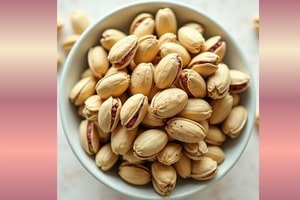
Incorporating pistachios into your daily diet can deliver a wide range of health benefits. From supporting eye health to aiding weight management and helping regulate blood pressure and blood sugar levels. According to Eating Well, a one-ounce (28 g) serving of pistachios contains 165 calories, 6 g of protein, 13 g of fat (including 2 g of saturated fat), 8 g of carbohydrates, and 3 g of dietary fiber. This serving is naturally cholesterol-free and provides 1.7 mg of sodium. And also 14 mg of folate, 30 mg of magnesium, and an impressive 277 mg of potassium. Also Read: What Happens to Your Body When You Eat 2 Bananas a Day: 9 Surprising Health Benefits California-based registered dietitian Taylor Berggren highlights pistachios for their strong nutritional profile.“Pistachios are a source of complete protein with all nine essential amino acids. They have healthy mono- and polyunsaturated fats, they are loaded with fiber, and they contain antioxidants,” she explains. Key Health Benefits of Pistachios Supports Healthy Blood Pressure Pistachios are rich in potassium, calcium, and magnesium minerals that contribute to proper vascular function. Research suggests that regular pistachio consumption may help reduce systolic blood pressure. Improves Eye Health These nuts contain lutein and zeaxanthin, important carotenoids found in the retina. They help protect the eyes from harmful light and may reduce the risk of age-related macular degeneration and cataracts. Helps With Weight Management Contrary to the belief that nuts lead to weight gain, pistachios actually support weight control. Their protein and fiber boost satiety, helping prevent overeating. Studies also show that people who eat pistachios tend to make healthier food choices overall, consuming more fiber and less sugar. Stabilizes Blood Sugar Levels Pistachios are beneficial for individuals monitoring their glucose levels. Their balanced mix of healthy fats, protein, and fiber slows digestion and supports steady blood sugar, making them ideal for those with diabetes or prediabetes. Enhances Gut Health Pistachios support a healthy microbiome by increasing beneficial bacteria that produce butyrate, a fatty acid vital for colon health. Though more research is needed, early findings are promising for digestive and overall wellness. May Reduce Cancer Risk As reported by Medical News Today, pistachios are high in antioxidants such as gamma-tocopherols, phytochemicals, and polyphenols. These compounds help protect cells from damage, potentially lowering the risk of cancer and other chronic diseases. Stay safe and connected with the Chaska Club team. For more Health Chaska, visit our site regularly.

Top Health Benefits of Pistachios: Nutrition, Weight Loss & Blood Sugar Support Read More »

What Happens to Your Body When You Eat 2 Bananas a Day 9 Surprising Health Benefits

What Happens to Your Body When You Eat 2 Bananas a Day: 9 Surprising Health Benefits

Bananas are among the most popular and nutritious fruits in the world, packed with vitamins, minerals, and antioxidants that support overall wellness. Eating two bananas a day can have remarkable benefits for your heart, digestion, energy levels, and mental health. Let’s explore what really happens to your body when you make bananas a daily habit. 1. Boosts Heart Health and Blood Pressure Control Bananas are rich in potassium, a key mineral that helps flush out excess sodium, relax blood vessels, and regulate blood pressure. This helps lower the risk of heart disease and stroke while keeping your cardiovascular system strong. The fiber in bananas also helps stabilize cholesterol levels, further protecting heart health. 2. Improves Mood and Reduces Stress Bananas contain tryptophan, an amino acid that converts into serotonin, known as the “happiness hormone.” Combined with vitamin B6 and magnesium, bananas help soothe the nervous system, reduce anxiety, and improve mood naturally. A banana or two a day can make you feel calmer and more focused throughout the day. 3. Supports Healthy Digestion Each ripe banana contains about 3–5 grams of fiber, which promotes healthy digestion and helps prevent constipation. Green bananas are rich in prebiotics and resistant starch, feeding beneficial gut bacteria and improving gut balance. Together, they keep your digestive system running smoothly and your stomach relaxed. 4. Provides Natural, Stable Energy Bananas provide a moderate amount of natural sugar, enough to give you an energy boost without causing blood sugar spikes or crashes. That’s why athletes often eat bananas before or after workouts. Having two bananas a day helps you stay alert and energized throughout your morning. 5. Helps Reduce Nicotine Cravings If you’re trying to quit smoking, bananas can be surprisingly helpful. Their vitamins and minerals, especially B6, potassium, and magnesium, may help reduce nicotine cravings and ease withdrawal symptoms. Plus, their natural sweetness helps satisfy sugar cravings that often occur during smoking cessation. 6. Fights Fatigue and Boosts Iron Levels Feeling constantly tired? Bananas are a great source of iron, which supports red blood cell production and oxygen transport in the body. Regular consumption helps reduce fatigue and keeps your energy levels balanced throughout the day. 7. Prevents Muscle Cramps and Aids Recovery The potassium and magnesium in bananas make them an ideal snack before or after workouts. They help prevent muscle cramps, restore electrolytes, and enhance muscle recovery, making bananas a favorite among athletes and fitness lovers. 8. Strengthens Immunity and Reduces Inflammation Bananas are rich in vitamin C, manganese, and antioxidants, which help reduce oxidative stress and support immune function. Eating two bananas a day helps your body fight off infections and recover faster from illness. 9. Helps Manage Weight and Appetite Although bananas contain natural sugars, they’re also high in fiber, which helps you feel full longer. Pairing bananas with protein or healthy fats (like nut butter or Greek yogurt) can balance blood sugar, reduce cravings, and support healthy weight management. Conclusion Chaska Eating two bananas a day is an easy and delicious way to boost your overall health. From improving digestion and heart health to lifting your mood and energizing your body, this simple fruit offers a powerful nutritional punch. Stay safe and connected with the Chaska Club team. For more Health Chaska, visit our site regularly.

What Happens to Your Body When You Eat 2 Bananas a Day: 9 Surprising Health Benefits Read More »

Green Tea vs Black Tea Which One Is Healthier

Green Tea vs Black Tea: Which One Is Healthier?

    When it comes to healthy beverages, tea tops the list. Among the many varieties, green tea and black tea are the most popular worldwide. Both come from the Camellia sinensis plant, but they differ in processing, taste, and health benefits. If you’re wondering which one is healthier, this guide will help you compare green tea vs black tea in terms of antioxidants, caffeine, and wellness benefits. What Makes Green Tea and Black Tea Different? The main difference lies in how they are processed: Green Tea is minimally processed and not oxidized, which helps preserve antioxidants like catechins. Black Tea undergoes full oxidation, giving it a stronger flavor, darker color, and a higher caffeine kick. This distinction affects not only the taste but also the nutritional profile and health benefits of each tea. Also Read: What Happens to Your Body When You Eat Walnuts Every Day: 10 Science-Backed Transformations Health Benefits of Green Tea Rich in Antioxidants – Green tea is loaded with catechins, especially EGCG, which fight free radicals and support cell health. Supports Weight Loss – Research suggests green tea boosts metabolism and fat burning, making it popular among those looking to lose weight. Improves Brain Function – The combination of caffeine and L-theanine promotes alertness without the jitters. May Lower Risk of Chronic Diseases – Regular consumption may reduce the risk of heart disease, type 2 diabetes, and certain cancers. Health Benefits of Black Tea Energy Boost – Black tea has more caffeine than green tea, making it a better choice for morning energy. Supports Heart Health – Studies link black tea to improved cholesterol levels and better circulation. Gut Health – Black tea contains polyphenols that act as prebiotics, supporting healthy gut bacteria. Stress Relief – Drinking black tea may lower cortisol levels, helping to reduce stress. Green Tea vs Black Tea: Which Is Better? For Weight Loss: Green tea is the winner due to its fat-burning properties. For Energy: Black tea provides a stronger caffeine boost. For Heart Health: Both are beneficial, but black tea has more evidence for improving cholesterol. For Relaxation: Green tea offers calm focus, while black tea can help manage stress. In short, both teas are healthy choices, and the right one depends on your lifestyle and wellness goals. How to Enjoy Green and Black Tea Green Tea: Best enjoyed without milk, sometimes with lemon or honey. Black Tea: Can be consumed plain or with milk and sugar for a richer taste. For maximum benefits, limit added sugars and enjoy 2–3 cups daily. Conclusion Chaska So, is green tea healthier than black tea? The answer depends on your needs. If you want weight loss and antioxidants, go for green tea. If you need energy and heart support, black tea may be the better option. Ideally, you can enjoy both in moderation to reap their unique benefits. Stay safe and connected with the Chaska Club team. For more Health Chaska, visit our site regularly.

Green Tea vs Black Tea: Which One Is Healthier? Read More »

What Happens to Your Body When You Eat Walnuts Every Day 10 Science-Backed Transformations

What Happens to Your Body When You Eat Walnuts Every Day: 10 Science-Backed Transformations

In a world overflowing with quick-fix health trends, one simple habit stands out for its effortless impact: adding walnuts to your daily routine. These crunchy, brain-shaped nuts aren’t just a tasty snack; they’re a powerhouse of nutrients that can quietly reshape your body from the inside out. Packed with omega-3 fatty acids, antioxidants, fiber, and polyphenols, walnuts offer a symphony of benefits that support everything from your ticker to your thinking cap. But what exactly happens when you munch on a handful of walnuts every day? Drawing from rigorous scientific research, we’ll dive into 10 transformative effects on your body. Whether you’re aiming to fortify your heart, tame inflammation, or boost brainpower, incorporating walnuts could be the game-changer your wellness routine needs. Let’s crack open the facts. Also Read: 4 Powerful Fruits for Daily Liver and Kidney Detox Naturally 1. Your Heart Gets a Protective Shield Against Cholesterol Buildup One of the most celebrated perks of daily walnut intake is its role in cardiovascular wellness. Walnuts are loaded with alpha-linolenic acid (ALA), a plant-based omega-3 that helps dial down harmful cholesterol levels. Over time, this can prevent plaque from gumming up your arteries, slashing your risk of heart attacks and strokes. A meta-analysis of 13 clinical trials revealed that swapping in walnuts for other fats led to notable drops in total cholesterol (by about 10 mg/dL) and LDL “bad” cholesterol (by 9 mg/dL), without touching HDL “good” cholesterol. In one long-term study, older adults who enjoyed about two servings of walnuts daily for two years saw their LDL levels plummet, thanks to the nuts’ anti-inflammatory polyphenols that fight oxidative stress. The result? A stronger, more resilient heart that beats with less strain. 2. Inflammation Takes a Backseat, Easing Chronic Disease Risks Chronic inflammation is like a low-grade fire in your body, fueling issues from arthritis to autoimmune disorders. Enter walnuts: their ellagitannins and other polyphenols act as natural firefighters, converting into urolithins in your gut to neutralize free radicals and calm inflammatory responses. Research shows that consistent walnut eaters experience lower markers of inflammation, such as C-reactive protein, which ties directly to reduced risks of heart disease and diabetes. A 2023 review highlighted how just 10 grams (roughly five walnut halves) per day could dampen systemic inflammation, promoting smoother cellular function across your organs. Over weeks of daily nibbling, you might notice less joint stiffness or fatigue, subtle signs your body’s internal environment is cooling down. 3. Your Gut Microbiome Blooms with Beneficial Bacteria Your gut is your body’s command center, influencing digestion, immunity, and even mood. Walnuts serve as prebiotic fuel, feeding good bacteria while weeding out the bad. This shift fosters a diverse microbiome that enhances nutrient absorption and wards off digestive woes. In an eight-week trial, participants who added 1.5 ounces of walnuts daily saw a surge in probiotic strains linked to lower obesity and cancer risks. These changes ripple outward, potentially easing bloating, improving regularity, and bolstering your immune defenses. Think of it as upgrading your gut’s ecosystem for peak performance. 4. Brain Fog Lifts as Cognitive Function Sharpens Walnuts’ resemblance to the brain isn’t coincidental; they’re a neuro-nutritional ally. Their ALA and antioxidants cross the blood-brain barrier to combat oxidative damage, supporting neuron health and synaptic plasticity. Animal studies on aging rodents fed walnut-enriched diets showed enhanced memory, learning, and motor skills, with reduced anxiety-like behaviors after months of consumption. Human data from large cohorts, like the Nurses’ Health Study, links higher walnut intake to cognition that’s equivalent to staving off two years of age-related decline. Daily doses could mean crisper focus at work or quicker recall during conversations, potentially delaying the onset of conditions like Alzheimer’s. 5. Blood Sugar Stabilizes, Guarding Against Diabetes Spikes and crashes in blood glucose can wreak havoc on energy and long-term health. Walnuts’ blend of fiber, protein, and healthy fats slows sugar absorption, promoting steady levels and better insulin sensitivity. A 2023 review tied regular walnut consumption to a lower type 2 diabetes risk, with mechanisms beyond weight control—like direct improvements in glucose metabolism. In one trial, daily walnut smoothies curbed post-meal spikes, helping participants feel more even-keeled throughout the day. For those watching their carbs, this makes walnuts a smart, satisfying addition. 6. Weight Management Becomes Effortless with Appetite Control Despite their calorie density (about 185 per ounce), walnuts don’t pack on pounds—they help keep them off. Their fiber and fats trigger satiety signals in the brain, curbing overeating. Brain imaging from a small study showed that walnut eaters resisted food temptations more effectively after just five days, leading to reduced hunger hormones. Long-term nut consumers, per observational data, gain less weight over time, thanks to this built-in portion control. Daily handfuls could subtly shift your relationship with food, fostering sustainable leanness. 7. Skin Glows with Anti-Aging and Healing Powers Walnuts’ vitamin E and essential fatty acids nourish skin from within, converting into compounds that speed wound healing and fight UV damage. Their anti-inflammatory edge may soothe conditions like eczema or psoriasis. Studies on walnut oil application (and dietary intake) suggest faster recovery from irritations and slower wrinkle formation, attributed to reduced oxidative stress. Over months, you might spot a smoother texture and a healthier radiance—walnuts as your secret to ageless allure. 8. Cancer Risk Dials Down Through Cellular Protection While no food is a cure-all, walnuts’ ellagic acid and urolithins show promise in slowing cancer cell proliferation. They target inflammation and DNA damage, key drivers of tumors. Early lab and animal research indicate walnuts may inhibit breast and prostate cancer growth by disrupting tumor blood supply. Human links suggest lower overall cancer odds with nut-rich diets, positioning daily walnuts as a proactive shield. 9. Reproductive Health Gets a Boost, Especially for Men For fertility fans, walnuts offer targeted support. Their antioxidants shield sperm from oxidative harm, improving motility and quality. A review of dietary patterns found that omega-3-rich foods like walnuts counteract the fertility-sapping effects of processed diets. Animal models confirm reduced sperm damage with regular intake,

What Happens to Your Body When You Eat Walnuts Every Day: 10 Science-Backed Transformations Read More »

4 Powerful Fruits for Daily Liver and Kidney Detox Naturally

4 Powerful Fruits for Daily Liver and Kidney Detox Naturally

Your liver and kidneys are two of the hardest-working organs in your body. They continuously filter out toxins, break down waste, and keep your internal systems running smoothly. However, in today’s fast-paced lifestyle, these vital organs are constantly under pressure. Processed foods, sugar-heavy diets, pollution, medications, and stress can overload your natural detox system, making it harder for your body to function at its best. One of the simplest and most effective ways to support your liver and kidney health is by including detoxifying fruits in your daily diet. These fruits are rich in antioxidants, vitamins, and natural compounds that help cleanse the body, flush out harmful toxins, and protect these vital organs. Below, we explore four scientifically-backed fruits you should eat every day to enhance detoxification and overall wellness. 1. Pomegranate- The Antioxidant Superfruit Pomegranate has earned its title as one of the most powerful fruits for health, and its benefits extend to both liver detox and kidney health. Packed with antioxidants like punicalagin, pomegranates help fight oxidative stress, reduce inflammation, and prevent free radical damage to your organs. These antioxidants are particularly effective in reducing kidney inflammation and lowering the risk of kidney stones. Studies have also shown that pomegranate juice helps remove toxins from the bloodstream and reduces markers of oxidative stress in patients undergoing dialysis. Regular consumption can support kidney filtration and aid in flushing out harmful compounds that build up over time. Also Read: 10 Amazing Health Benefits of Tomato Juice You Should Know In addition, pomegranate is rich in Vitamin C and polyphenols, which not only support immunity but also promote better liver function. Its natural anti-inflammatory properties can help prevent fatty liver disease and keep your body’s detox pathways working efficiently. How to Add It to Your Diet: Drink fresh pomegranate juice daily. Sprinkle pomegranate seeds over salads, oatmeal, or yogurt. Blend into smoothies for a nutrient-packed breakfast. 2. Papaya- Gentle on the Liver, Rich in Enzymes Papaya is a tropical fruit that does wonders for your digestive system and liver detoxification. It contains an enzyme called papain, which helps break down proteins and improve nutrient absorption. By aiding digestion, papaya indirectly reduces the liver’s workload, allowing it to focus on filtering toxins. This fruit is also rich in Vitamin C, flavonoids, and beta-carotene, all of which protect the liver from damage caused by oxidative stress. These antioxidants reduce inflammation and lower the risk of developing fatty liver disease, a condition often caused by poor diet and sedentary lifestyles. Papaya’s high water and fiber content make it an excellent choice for cleansing the digestive system, which further supports liver and kidney health. Promoting regular bowel movements ensures waste is eliminated efficiently, preventing toxins from accumulating in the body. How to Add It to Your Diet: Eat papaya slices as a mid-morning snack. Blend papaya with ginger and lemon for a liver-cleansing smoothie. Add papaya cubes to the fruit salad for tropical turns. 3. Cranberry- Kidney Protector and UTI Fighter Cranberries are widely known for preventing urinary tract infections (UTIs), but their benefits go far beyond that. They are one of the best fruits for kidney health, thanks to their high levels of proanthocyanidins. These plant compounds prevent harmful bacteria from sticking to the urinary tract walls, reducing the risk of infection and kidney damage. Research suggests that cranberries may help slow down the progression of chronic kidney disease (CKD). They are also loaded with antioxidants like polyphenols, which support liver function and protect against inflammation-related liver damage. Unlike many fruits, cranberries are naturally low in sugar, making them a healthy option for people looking to maintain balanced blood sugar levels while supporting their detox organs. How to Add It to Your Diet: Drink unveiled cranberry juice to remove toxins. Use dried cranberries in salads, oatmeal, or homemade granola. Blend fresh cranberries into smoothies for a tart, antioxidant boost. 4. Watermelon-Nature’s Hydrating Detoxifier Watermelon is more than just a refreshing summer snack—it’s a natural diuretic that helps increase urine production, which is essential for flushing toxins from the body. Its high water content (over 90%) keeps you hydrated while easing the burden on your kidneys. This juicy fruit also contains citrulline, an amino acid that helps relax blood vessels, improve circulation, and reduce ammonia levels in the blood. Lower ammonia levels are beneficial for liver health, as this toxic compound is primarily processed by the liver. Additionally, watermelon is rich in antioxidants like lycopene, which protects cells from oxidative stress and supports the body’s natural detoxification processes. Regular consumption of watermelon can help maintain electrolyte balance, improve kidney function, and support overall hydration. How to Add It to Your Diet: Enjoy watermelon slices as a hydrating snack. Blend watermelon into smoothies with mint and lime for a refreshing detox drink. Make watermelon juice or infused water to stay hydrated throughout the day. Why These Fruits Are Essential for Liver and Kidney Detox Your liver and kidneys are your body’s built-in filtration system. The liver breaks down toxins, metabolizes nutrients, and supports digestion, while the kidneys filter waste products and regulate fluid balance. When these organs are overloaded, your body can feel sluggish, bloated, and more prone to illness. By eating these detoxifying fruits daily, you provide your body with natural enzymes, antioxidants, and vitamins that make it easier for these organs to function at their best. Unlike harsh detox diets or supplements, whole fruits provide a gentle, sustainable way to cleanse your body and promote long-term health. Also Read: 9 fruits that help burn belly fat Additional Tips for Supporting Liver and Kidney Health Stay Hydrated: Drinking plenty of water helps flush toxins and supports kidney filtration. Limit Processed Foods: Reduce your intake of refined sugar, excess salt, and artificial additives. Exercise Regularly: Physical activity improves circulation and helps your organs function optimally. Reduce Alcohol Consumption: Alcohol can damage liver cells, so moderation is key. Get Enough Sleep: Rest is essential for detoxification and organ repair. Conclusion Chaska Detoxifying your liver and kidneys doesn’t have

4 Powerful Fruits for Daily Liver and Kidney Detox Naturally Read More »

10 Amazing Health Benefits of Tomato Juice You Should Know

10 Amazing Health Benefits of Tomato Juice You Should Know

Tomato juice is more than just a fresh drink – it is a powerhouse of essential nutrients, antioxidants, and vitamins that can improve your overall health. Packed with lycopene, vitamin C, potassium, and folate, tomato juice has gained immense popularity among health-conscious people worldwide. Whether you drink it fresh in the morning or include it in your diet for detox purposes, the benefits of tomato juice go beyond just hydration. In this post, we’ll explore the top 10 health benefits of tomato juice, how it supports your body, and why you should consider making it a part of your daily routine. Rich Source of Antioxidants Tomato juice is filled with lycopene, a capable antioxidant that makes a difference in battling free radicals within the body. Free radicals are unstable molecules that can damage cells and raise the risk of chronic diseases. Lycopene not only reduces oxidative stress but also supports healthier skin, improves immunity, and slows down the aging process. Drinking tomato juice regularly can help protect your body against harmful cell damage. Boosts Heart Health One of the biggest health benefits of tomato juice is its positive effect on the heart. Lycopene, along with potassium and vitamin C, plays a vital role in improving cardiovascular function. Studies show that regular intake of tomato juice may lower cholesterol levels, reduce blood pressure, and improve blood circulation. The combination of antioxidants and nutrients makes it an excellent natural remedy to maintain a strong and healthy heart. Also Read: Wellness: A Complete Guide to a Healthy Lifestyle Supports Digestive Health Tomato juice is high in fiber and natural enzymes that aid digestion. It helps regulate intestinal movements, prevents constipation, and maintains a healthy intestine. Additionally, the natural acidity of tomato juice stimulates digestive juices, making it easier for the body to break down the food. If you are looking for a natural way to support digestion, then a glass of tomato juice is a great option. Aids in Weight Loss Tomato juice is low in calories but is high in nutrients, making it an excellent drink to lose weight.  It promotes satiety, reduces hunger cravings, and keeps you feeling full for longer periods. The antioxidants in tomato juice also help boost metabolism, encouraging the body to burn fat more efficiently. Adding this drink to your daily routine can help you manage your weight without compromising on nutrition. Improves Skin Health Your skin can benefit greatly from drinking tomato juice. Thanks to its high vitamin C content and lycopene, tomato juice helps reduce acne, tightens pores, and give your skin a natural glow. Lycopene also protects the skin against harmful UV rays, preventing premature aging and sun damage. Regular consumption of tomato juice works like an internal skincare treatment, keeping your skin youthful and radiant. Strengthens the Immune System Tomato juice is rich in vitamins C and A, both are known to promote the immune system. Vitamin C improves white blood cell production, which helps your body fight off infections, while vitamin A enhances the defense against harmful pathogens. Drinking tomato juice regularly can help reduce the risk of common colds, flu, and other illnesses. Regulates Blood Pressure High blood pressure is a common health problem that can lead to serious complications if not managed properly. The potassium in tomato juice helps balance sodium levels in the body, preventing hypertension. In addition, the antioxidants in tomato juice relax blood vessels, improving blood flow and reducing strain on the heart. , For people struggling with blood pressure issues, tomato juice can be a natural and effective remedy. Supports Bone Health Tomato juice is a great source of calcium and vitamin K, both of which are essential for strong and healthy bones. Vitamin K helps improve calcium absorption, which strengthens the bones and prevents conditions like osteoporosis. , Regular intake of tomato juice also reduces inflammation, supports bone and joint health. Detoxifies the Body The natural compounds in tomato juice help flush out harmful toxins from the body. , It’s high water content keeps you hydrated by promoting renal and liver function.  This detoxifying property of tomato juice makes it an ideal drink for cleansing the system. Many people use tomato juice as a part of detox diets to feel refreshed, energized, and healthier. Enhances Eye Health Tomato juice contains beta-carotene, lutein, and zeaxanthin, all of which are essential for maintaining good vision. These compounds help protect the eyes from harmful blue light, prevent age-related macular degeneration, and improve overall eye health. Drinking tomato juice daily ensures that your eyes remain healthy and strong as you age. Nutritional Value of Tomato Juice To understand why tomato juice is so beneficial, let’s look at its nutritional profile per one cup (240 ml) of fresh juice: Calories: 40 Protein: 2 grams Carbohydrates: 10 grams Fiber: 2 grams Vitamin C: 70% of the daily requirement Vitamin A: 30% of the daily requirement Potassium: 15% of the daily requirement Lycopene: High levels (varies with freshness) This nutrient-rich drink is low in fat but packed with essential vitamins and minerals that your body needs. Also Read: Tomatoes 101: Nutrition Facts and Health Benefits How to Include Tomato Juice in Your Diet Here are some simple ways to make tomato juice a part of your daily routine: • Drink it fresh in the morning to increase energy. Use it as a base for smoothies with carrots, beets, or celery. Add a dash of lemon and black pepper for extra flavor. Use tomato juice in detox drinks or soups for added health benefits. Conclusion Chaska Tomato juice is not just a refreshing beverage; it’s a nutritional powerhouse with countless health benefits. From boosting heart health and improving digestion to giving you glowing skin and protecting your vision, tomato juice deserves a special place in your daily diet. If you want a simple, natural, and affordable way to improve your health, start drinking a glass of fresh tomato juice every day. Your body, skin, and overall well-being will thank you. Stay safe and connected with the Chaska Club team. For

10 Amazing Health Benefits of Tomato Juice You Should Know Read More »

Wellness A Complete Guide to a Healthy Lifestyle

Wellness: A Complete Guide to a Healthy Lifestyle

Wellness is more than just the absence of illness it is a balanced approach to living that focuses on physical health, mental clarity, and emotional stability. In today’s fast-paced world, adopting a wellness lifestyle is essential to maintain harmony between the body, mind, and spirit. What is Wellness? Wellness refers to a holistic state of health that goes beyond medical fitness. It emphasizes daily choices that promote long-term vitality, including proper nutrition, regular exercise, quality sleep, and stress management. True health and wellness also include emotional well-being, mental health, and social relationships. Dimensions of Wellness Experts often describe wellness as having multiple interconnected dimensions: Physical Wellness – Maintaining a healthy body through diet, exercise, and preventive care. Mental Wellness – Reducing stress, practicing mindfulness, and keeping the mind active. Emotional Wellness – Managing emotions positively and building resilience during challenges. Social Wellness – Developing supportive relationships and a sense of belonging. Spiritual Wellness – Finding purpose and meaning in life, whether through religion, meditation, or self-reflection. Also Read: 10 Fun Senior Facts to Celebrate Aging By addressing each dimension, you can build a strong foundation for lasting wellbeing. Simple Wellness Tips for Daily Life Incorporating wellness tips into your routine doesn’t have to be complicated. Small lifestyle changes can bring powerful results: Stay Active: Engage in at least 30 minutes of moderate exercise daily to strengthen your body and boost energy. Eat Balanced Meals: Focus on whole foods, fruits, vegetables, and lean proteins to fuel your body. Prioritize Sleep: Good sleep is vital for both physical and mental wellness. Aim for 7–8 hours nightly. Practice Mindfulness: Techniques like meditation, yoga, or deep breathing reduce stress and improve focus. Build Healthy Relationships: Connecting with friends, family, or community groups enhances social wellness. Limit Screen Time: Too much digital exposure can affect mental clarity—set boundaries to protect your mind. Why Wellness Matters Embracing a wellness lifestyle improves quality of life, boosts productivity, and lowers the risk of chronic diseases. Wellness also plays a vital role in preventing burnout, enhancing mental clarity, and increasing happiness. By focusing on daily habits rather than quick fixes, you create sustainable changes that benefit your long-term health. Conclusion Chaska Wellness is not a one-time achievement but a continuous journey of self-care and mindful living. Whether through exercise, balanced nutrition, or emotional growth, every positive step contributes to overall health and wellness. Start small, stay consistent, and remember that true wellness comes from nurturing both body and mind. Stay safe and connected with the Chaska Club team. For more Health Chaska, visit our site regularly.  

Wellness: A Complete Guide to a Healthy Lifestyle Read More »

10 Fun Senior Facts to Celebrate Aging

10 Fun Senior Facts to Celebrate Aging

Aging is often seen as a sign of slowing down, but in fact, it is a beautiful journey that is full of knowledge, laughter, and new opportunities. Seniors around the world are proving that life after 60 can be just as fun, adventurous, and meaningful as any other stage of life. There are plenty of fascinating and uplifting facts about aging that will make you smile and perhaps even look forward to growing older. Here are 10 fun senior facts that remind us why aging is something worth celebrating. 1. Seniors Are Happier Than You Think Research shows that happiness levels often increase with age. Many seniors report feeling more content, less stressed, and more appreciative of life’s little things. This “happiness curve” often peaks after the age of 60, when people have more time for hobbies, travel, and spending quality moments with loved ones. Also Read: 9 High-Protein Fruits That Boost Strength, Energy, and Wellness 2. You Can Still Learn New Skills The myth that “you can’t teach an old dog new tricks” is completely wrong! Seniors can and do learn new skills, from mastering social media to picking up a new language or learning a musical instrument. In fact, learning keeps the brain sharp and boosts memory, making it one of the best anti-aging activities out there. 3. Senior Brains Can Be More Creative Studies suggest that older adults often become more creative and innovative. This is because they combine years of experience with a better ability to see the bigger picture. Whether it’s painting, writing, gardening, or even inventing, seniors are tapping into creative talents more than ever before. 4. Many Seniors Exercise More Than Younger Adults Surprisingly, many seniors are more physically active than people in their 20s and 30s. Retirement gives them more time to join walking clubs, attend yoga classes, or take up swimming. Regular exercise keeps them energized, helps maintain independence, and promotes a positive mood. 5. Aging Can Improve Your Emotional Intelligence As we age, we often become better at managing emotions and understanding others. Seniors tend to have more patience, empathy, and resilience, making them excellent friends, mentors, and family members. This emotional maturity is one of the biggest benefits of aging. 6. Seniors Are Social Media Stars Think social media is only for young people? Think again! Seniors are taking over platforms like Instagram, TikTok, and YouTube, sharing everything from cooking tips to travel adventures. Many older influencers have millions of followers, proving that age is no barrier to building an online community. 7. Your Taste Buds Evolve With Age Did you know that as we age, our taste buds become less sensitive to certain flavors? This often encourages seniors to try new and exciting foods they may not have enjoyed before. Spicy dishes, exotic fruits, and gourmet meals become an exciting culinary adventure. 8. Aging Can Make You a Better Sleeper (Eventually) While some older adults struggle with sleep in their 50s and 60s, many experience improved sleep patterns later in life. With less work stress and a calmer lifestyle, seniors often enjoy peaceful early mornings and relaxing evening routines. 9. Seniors Contribute More to Volunteering and Community Work One of the most inspiring senior facts is how much older adults give back to their communities. From mentoring young professionals to organizing charity drives, seniors use their time and skills to make the world a better place. This sense of purpose also helps boost mental and emotional well-being. 10. Many Seniors Feel Younger Than Their Age Ask a 70-year-old how old they feel, and you might be surprised. Many say they feel 10 to 20 years younger! A positive mindset, active lifestyle, and staying socially connected are major reasons why seniors often have a youthful outlook on life. Also Read: Ageing and health Why Celebrating Aging Matters Society often focuses too much on staying young, but aging is a privilege not everyone gets to experience. Every wrinkle tells a story, every gray hair is a badge of wisdom, and every year adds to the richness of a person’s life. Instead of dreading birthdays, we should embrace them as milestones of growth and resilience. Tips for Aging Gracefully and Joyfully If you’re inspired by these fun facts, here are some quick tips to make the most of your senior years: Be active: Whether it is walking, swimming, or dancing, movement is important. Keep learning: read books, take online courses, or join community classes. Eat well: Fuel your body with nutritious, delicious food. Stay social: Join family, friends, and equal ideology. Have fun: Chase hobbies, travel, and embrace new adventures. Conclusion Chaska Aging is not the end; it’s a new beginning. With more freedom, wisdom, and opportunities to explore the world, seniors today are proving that life after 60 can be exciting and fulfilling. By celebrating aging and embracing these fun senior facts, we can change the way we think about growing older and inspire the next generation to see it as something truly wonderful. So, let’s toast to the golden years not just for the memories they hold, but for the adventures yet to come. Stay safe and connected with the Chaska Club team. For more Health Chaska, visit our site regularly.  

10 Fun Senior Facts to Celebrate Aging Read More »

9 High-Protein Fruits That Boost Strength, Energy, and Wellness

9 High-Protein Fruits That Boost Strength, Energy, and Wellness

Fruits aren’t just about natural sugars and vitamins; they can also be a surprising source of protein. While they’re not as protein-dense as meat or legumes, several fruits like guava, jackfruit, and passion fruit offer a decent protein punch, making them valuable for fitness-focused diets. Whether you’re trying to build muscle or manage weight, adding high-protein fruits to your meals can be both tasty and nutritious. Here are nine fruits recognized by the U.S. Department of Agriculture for their protein content and health benefits: Raisins However small in size, raisins pack about 3.1 grams of protein per 100 grams of raisins.  They are also filled with potassium and dietary fiber. These dried grapes are great for heart health, energy replenishment, and managing blood pressure, making them an ideal snack on the go. Guava Among the top contenders, guava delivers about 2.6 grams of protein per 100 grams. This steamy fruit is also rich in fiber and vitamin C. Guava can help improve digestion, regulate blood sugar, and promote immunity. Its versatility makes it a great addition to smoothies, salads, or desserts. Passion Fruit With approximately 2.2 grams of protein per 100 grams, passion fruit offers more than just a tangy flavor. These vitamins are fully packed with fiber, vitamin A, and C, and magnesium. Regular consumption supports heart function, AIDS digestion, and better blood sugar control and vision contribute to health. Also Read: 3 Powerful Detoxifying Morning Drinks for Kidney and Liver Health Avocado While avocados are mainly praised for their healthy fats, they also contain around 2 grams of protein per 100 grams. Additionally, they’re rich in vitamins C, E, K, and folate. These nutrients support red blood cell formation, cardiovascular wellness, and balanced blood pressure. Jackfruit Often used in plant-based cooking as a meat substitute, jackfruit offers 1.9 grams of protein per 100 grams. It’s a rich source of potassium, magnesium, and manganese, which are vital for reducing inflammation and promoting heart health. Its fiber content also helps with digestion. Pomegranate A cup of pomegranate seeds contains about 1.7 grams of protein. These juicy seeds are loaded with antioxidants, fiber, and healthy fatty acids. Their anti-inflammatory properties support heart health and can help lower cholesterol while fostering a healthy digestive system. Apricots Fresh apricots provide around 1.4 grams of protein per 100 grams, while their dried counterparts offer up to 3.4 grams. Rich in fiber, vitamins C and E, and iron, apricots can support eye health, reduce inflammation, and may have protective effects against certain cancers. Blackberries Blackberry contributes about 1.4 grams of protein per 100 grams of blackberries. These berries are packed with vitamin K and antioxidants that promote a healthy gut and may lower the risk of chronic diseases, including cancer. Oranges Each orange saves about 1.2 grams of protein with a strong dose of vitamin C, as well as. Oranges are known for enhancing immune function and can be enjoyed in many ways—from fresh slices to juices and smoothies. Conclusion Chaska While fruits are not typically considered a primary source of protein, several varieties offer enough to complement a balanced diet—especially when combined with other protein-rich foods. These fruits also deliver a wealth of other nutrients that contribute to overall wellness. Including them in your daily routine is a delicious way to stay healthy, energized, and strong. Stay safe and connected with the Chaska Club team. For more Health Chaska, visit our site regularly.

9 High-Protein Fruits That Boost Strength, Energy, and Wellness Read More »

Your Future on a Plate 25 Expert Diet Moves for a Longer, Brighter You

Your Future on a Plate: 25 Expert Diet Moves for a Longer, Brighter You

We all need to live a long, sound, and upbeat life. While many factors contribute to our well-being, diet plays a fundamental role. What we eat directly impacts our energy levels, mood, disease risk, and even our longevity. So, how can you optimize your diet for a vibrant future? We’ve compiled 25 expert tips to guide you on your journey to a longer and happier life. Also Read: Vaping Shock: Disposable Vapes Emit More Lead Than 20 Packs of Cigarettes The Foundations of a Longevity-Boosting Diet Contain Entire Foods: Select untreated, natural foods like vegetables, fruits, healthy fats, and lean proteins. These are packed with essential nutrients. Focus on Plant-Based Power: Make fruits, vegetables, legumes, and nuts the cornerstone of your diet. They are rich in fiber, vitamins, minerals, and antioxidants, all of which are crucial for disease prevention. Choose Healthy Fats Wisely: Incorporate monounsaturated and polyunsaturated fats from sources like olive oil, avocados, nuts, and fatty fish (like salmon). These support heart health and reduce inflammation. Opt for Lean Proteins: Select lean protein sources such as fish, poultry, beans, lentils, and tofu. Protein is essential for body muscle upkeep and whole physical performance. Hydrate, Hydrate, Hydrate: Water is often overlooked but essential. Aim for at least 8 glasses of water daily to support all bodily processes, from digestion to cognitive function. Practice Mindful Eating: Pay attention to your food, savor each bite, and eat slowly. This helps you recognize the signs of perfection and prevents overwriting. Control Portion Sizes: Even healthy foods can lead to weight gain if consumed in excess. Be careful of your share size to maintain a healthy weight. Limit Processed Foods and Added Sugars: These are often high in unhealthy fats, sodium, and empty calories, contributing to inflammation and chronic diseases. Reduce sodium intake: Excessive sodium can cause hypertension. Opt for herbs and spices to flavor your food instead of relying on salt. Prioritize Fiber: Found in fruits, vegetables, whole grains, and legumes, fiber aids digestion, helps regulate blood sugar, and promotes satiety. Go for colored yield: Vibrant colors in fruits and vegetables indicate different antioxidants and nutrients. Aim for a rainbow on your plate. Include Fermented Foods: Yogurt, kimchi, sauerkraut, and kefir contain beneficial probiotics that support gut health, which is intricately linked to overall well-being. Don’t Fear Healthy Carbs: Choose complex carbohydrates like oats, brown rice, quinoa, and whole-wheat bread over refined grains. Enjoy Berries Regularly: Berries are packed with antioxidants that combat oxidative stress and inflammation, contributing to brain health and disease prevention. Integrate the nuts and seeds: almonds, walnuts, chia seeds, and flaxseeds are healthy fats, fiber, and protein powerhouses. Sip on Green Tea: Green tea is rich in catechins, powerful antioxidants associated with reduced risk of heart disease and certain cancers. Embrace the legume: Beans, lentils, and chickpeas are excellent sources of plant-based proteins, fibers, and various micronutrients. Include Fatty Fish Weekly: Salmon, mackerel, and sardines are rich in omega-3 fatty acids, crucial for brain health, heart health, and reducing inflammation. Get Adequate Sleep: Sleep deprivation can affect appetite-regulating hormones, leading to unhealthy food choices. Aim for 7-9 hours of quality sleep. Manage Stress Effectively: Chronic stress can impact digestion and lead to unhealthy eating habits. Find healthy ways to cope with stress. Stay Physically Active: Regular exercise complements a healthy diet, promoting weight management, cardiovascular health, and mood enhancement. Cook at Home More Often: This gives you greater control over ingredients, portion sizes, and cooking methods. Plan Your Meals: Meal planning helps you make healthier choices, reduces impulse eating, and saves time and money. Listen to your body: Note how different foods make you feel. Some foods may cause discomfort or allergies. Seek Professional Guidance: If you have specific health concerns or dietary needs, consult a registered dietitian or nutritionist for personalized advice. Also Read: 11 Foods to Eat to Beat Fatigue The Takeaway Adopting these expert diet tips isn’t about rigid restrictions; it’s about making conscious, consistent choices that nourish your body and mind. By prioritizing whole, unprocessed foods, practicing mindful eating, and complementing your diet with a healthy lifestyle, you’re not just investing in a longer life, but a happier, more energetic, and fulfilling one. Start small, be consistent, and enjoy a healthy you while traveling! Stay safe and connected with the Chaska Club team. For more Chaska Care, visit our site regularly.

Your Future on a Plate: 25 Expert Diet Moves for a Longer, Brighter You Read More »

Vaping Shock Disposable Vapes Emit More Lead Than 20 Packs of Cigarettes

Vaping Shock: Disposable Vapes Emit More Lead Than 20 Packs of Cigarettes

E-cigarettes are often touted as a safer alternative to traditional smoking. Vapes are under intense scrutiny following a concerning new study from the University of California, Davis. The research unveils a startling revelation: certain widely used disposable vape brands, including popular names like ELF Bar, Esco Bar, and Flum Pebble, may be exposing users to alarmingly high levels of toxic heavy metals, potentially exceeding the exposure from conventional cigarettes by a significant margin. Also Read: Drink Smart, Live Bright: Carrot Juice and Its 8 Proven Health Benefits The study’s findings indicate that these disposable vapes are not only releasing harmful metals such as lead. Also, nickel and chromium. What’s particularly alarming is the sheer speed at which this exposure occurs. Researchers found that something in the form of 200 puffs. The amount is equal to about 10 to 15 traditional cigarettes, leading to exposure from some of these devices. That could, in certain instances, surpass the total lead exposure from smoking a staggering 20 full packs of cigarettes. This disparity raises serious questions about the perceived safety of disposable vapes. For individuals who have switched to vaping, believing it to be a less harmful habit. These findings present a significant health concern. The researchers hypothesize that the source of these dangerous metals could be twofold: either leaching from the internal components and heating elements of the vape devices themselves, or, more disturbingly, already present as contaminants within the vape liquid formulations. Also Read: 5 Vaping Facts You Need to Know The implications of this study are profound, suggesting a hidden danger lurking within the seemingly innocuous plumes of vapor. It underscores the urgent need for stricter regulation and more rigorous testing of e-cigarette products to safeguard public health, particularly given the widespread adoption of these devices, especially among younger demographics. This research serves as a critical warning, urging consumers and regulators alike to re-evaluate the true health risks associated with disposable vaping. For more Food Chaska, stay connected with the Chaska club.

Vaping Shock: Disposable Vapes Emit More Lead Than 20 Packs of Cigarettes Read More »

Drink Smart, Live Bright Carrot Juice and Its 8 Proven Health Benefits

Drink Smart, Live Bright: Carrot Juice and Its 8 Proven Health Benefits

Introduction Carrot juice has grown popular as a health tonic for good reason. It’s been used for centuries to boost wellness and fight disease. Known for its sweet flavor and vibrant color, it’s more than just a tasty drink; it’s packed with nutrients. Carrots are loaded with vitamins, minerals, and antioxidants, making fresh juice a simple way to boost your health fast. But how much of this magic comes from science? That’s what we’ll explore. Here are eight well-supported benefits of drinking carrot juice backed by scientific research. The Nutritional Powerhouse: Why Carrot Juice Is a Superfood Carrot juice provides a bundle of nutrients in a convenient form. It is rich in beta-carotene, a plant pigment that gives carrots their orange color. It also includes vitamins A, C, K, potassium, and many antioxidants. These supplements work together to bolster numerous distinctive parts of your body. Drinking juice ensures your body absorbs nutrients more easily than eating raw carrots, especially when prepared correctly. For maximum health benefits, choose fresh, cold-pressed carrot juice and consume it soon after making. Boosts Eye Health and Prevents Vision Loss The Role of Beta-Carotene in Eye Health Beta-carotene, found at high levels in carrots, is converted into vitamin A in your body. Vitamin A is essential for good eyesight. Studies show that people who eat more carrots have a lower risk of age-related macular degeneration, a common cause of blindness in older adults. Regular consumption of carrot juice can help keep your vision sharp as you age. Also Read: Guidelines for a Healthy Diet That Support Healthy Ageing and Wellness Preventing Night Blindness and Dry Eyes People who drink carrot juice daily report better sight in dim light. Vitamin A from beta-carotene helps prevent night blindness and keeps your eyes moist. Many eye doctors recommend adding carrot juice to your diet if you’re at risk of vision problems. Fair a little glass each day can make a discernible distinction. Supports Immune Function and Fights Inflammation Rich Source of Antioxidants and Vitamin C Carrot juice is stuffed with cancer prevention agents like beta-carotene and vitamin C. These nutrients neutralize free radicals that can damage your cells. This helps your immune system stay strong. Research finds that regular intake of carrot juice increases antioxidant levels in the body, which can help prevent illnesses. Anti-Inflammatory Properties Compounds like falcarinol in carrots help reduce inflammation. Inflammation is part of many chronic diseases, such as heart disease and diabetes. Studies show that eating carotenoid-rich foods, including carrot juice, lowers markers of inflammation. This can lead to better overall health and a lower risk of disease. Promotes Healthy Skin and Anti-Aging Effects Beta-Carotene and Skin Health Carrot juice beta-carotene makes a difference, ensuring your skin is protected from sun harm and advances collagen production, key fixings for firm, young skin. Experts recommend using carrot juice as part of a skincare routine because it can help keep your skin glowing and resilient. Also Read: 5 protein consumption mistakes that can harm your kidneys Antioxidants and Collagen Booster Vitamins C and E in carrot juice help boost collagen, the protein that keeps skin elastic. As we age, collagen declines, leading to wrinkles. Drinking carrot juice supplies these vital nutrients naturally, making it a smart addition to your anti-aging plan. Enhances Digestive Health and Gut Function Dietary Fiber Content in Carrot Juice Most of the fiber is removed in juice, but some remains. This fiber supports digestion by helping move waste through your gut. For best results, partner carrot juice with fiber-rich foods like whole grains and fruits. This combo keeps your digestive system healthy and regular. Enzymes and Nutrients Supporting Gut Microbiota Carrot juice contains nutrients that support good gut bacteria. A sound intestine implies way better absorption, immunity, and indeed temperament. Scientific studies show that eating a variety of vegetables, including carrot juice, enhances gut health over time. Supports Heart Health and Blood Pressure Regulation Potassium and Vascular Health Potassium may be a key mineral in carrot juice that produces a distinction control blood pressure. Clinical trials link higher potassium intake with lower blood pressure levels, reducing the risk of heart attacks and strokes. Drinking carrot juice daily can support healthy circulation. Antioxidants Mitigating Atherosclerosis Carotenoids in carrots help reduce oxidative stress, a major factor in artery damage. Research shows that regular carrot consumption correlates with improved heart health and fewer signs of atherosclerosis. Including carrot juice as part of a balanced diet promotes a healthy heart. May Reduce Cancer Risk Antioxidant Compounds and Carcinogen Inhibition Carrots contain falcarinol and other compounds that may slow cancer growth. In lab studies, these antioxidants inhibit cancer cell development. Eating carrots regularly has been associated with a lower risk of certain cancers, especially those of the digestive tract. Emphasizing the Importance of Diet Diversity While carrot juice offers many benefits, it’s best combined with a variety of fruits and vegetables. A balanced diet rich in antioxidants from different sources enhances your defenses against cancer. Make carrot juice a part of your day by day affirmations for added affirmation. Supports Brain Health and Cognitive Function Beta-Carotene and Neuroprotection Carotenoids like beta-carotene cross the blood-brain barrier, protecting brain cells. Studies link higher carotenoid levels to better memory, focus, and mental clarity. Drinking carrot juice can be part of a brain-boosting diet. Neuroinflammation Reduction Antioxidants in carrot juice help lower neuroinflammation, a factor in cognitive decline. Experts suggest diets rich in colorful produce promote brain health over time. Regularly enjoying carrot juice can keep your mind sharp longer. Conclusion Chaska Incorporating carrot juice into your routine offers a host of scientifically backed benefits. It bolsters eye wellbeing, boosts resistance, keeps your skin energetic, and advances heart and brain wellbeing. Also, it might lower your risk of certain cancers. A ll this from a simple, delicious drink—what’s not to love? Remember to choose fresh, quality carrots and enjoy your juice regularly. Start today and enjoy the natural boost it can give your overall wellness. For more Food Chaska, stay connected with the Chaska club.  

Drink Smart, Live Bright: Carrot Juice and Its 8 Proven Health Benefits Read More »

Guidelines for a Healthy Diet That Support Healthy Ageing and Wellness

Guidelines for a Healthy Diet That Support Healthy Ageing and Wellness

Introduction Starting a journey toward better health can feel overwhelming, but having clear guidelines for a healthy diet makes all the difference. Whether you’re looking to boost your energy, manage your weight, or discover healthy ageing tips, the food choices you make today shape your tomorrow. A well-balanced diet isn’t just about restricting calories or following the latest trend – it’s about feeling great, having more energy, and improving your overall quality of life. What Makes a Diet Healthy? A healthy diet provides your body with nutrients that enable it to work properly. These guidelines for a healthy diet focus on getting the right balance of vitamins, minerals, proteins, carbohydrates, and healthy fats. When you follow these principles consistently, you’re building a strong foundation for long-term wellness. The key is variety and moderation. Your body needs different nutrients from different sources, so eating a wide range of foods ensures you get everything you need. This approach also prevents boredom and makes healthy eating more enjoyable. The Role of Macronutrients Understanding macronutrients helps you make better food choices: Carbohydrate: Provides energy for your brain and muscles Protein Construction and Repair of Tissues Fat: supports brain function and hormone production Each macronutrient plays a specific role in your health, and eliminating any one of them completely can lead to nutritional deficiencies. Also Read: How Many Peanuts Should You Eat Per Day? Here’s What Experts Say Essential Food Groups for Optimal Health Fruits and Vegetables Target for at least five servings of fruits and vegetables daily. These foods are packed with vitamins, minerals, and antioxidants that protect your cells from damage. They are also high in fiber, which helps in digestion and keeps you feeling full. Best choices include: Leafy greens like spinach and kale Colorful berries rich in antioxidants Citrus fruits for vitamin C Cruciferous vegetables like broccoli and cauliflower Whole Grains Choose whole grains over refined ones whenever possible. Whole grains contain more fiber, protein, and nutrients than their processed counterparts. They help maintain steady blood sugar levels and provide lasting energy. Good options are: Brown rice instead of white rice Whole wheat bread over white bread Oats, quinoa, and barley Whole grain pasta Lean Proteins Protein is necessary for muscle maintenance and repair. Include different types of protein sources in your diet to get all the amino acids your body needs. Healthy protein sources: Fish and seafood Poultry without skin Beans and legumes Nuts and seeds Eggs Greek yogurt Healthy Fats Not all fats are made equal. Spotlight on unsaturated fat while limiting saturated and trans fats. Healthy fat supports brain function and helps your body absorb fat-soluble vitamins. Include these healthy fats: Avocados Olive oil Nuts and seeds Fatty fish like salmon and mackerel Planning Balanced Meals Following guidelines for a healthy diet means creating meals that include all food groups. A balanced plate should have: Filled half a plate with vegetables and fruit. One quarter with lean protein One quarter with whole grains A small amount of healthy fats Portion Control Understanding proper portion sizes helps you maintain a healthy weight without feeling deprived. Use these simple guides: A palm-sized portion of protein A fist-sized portion of vegetables A cupped-hand portion of carbohydrates A thumb-sized portion of fat Meal Timing Eating regular meals helps maintain steady energy levels and prevents overeating. Aim for three balanced meals and one or two healthy snacks if needed. Try to eat your largest meal earlier in the day when you’re most active. Healthy Ageing Tips through Nutrition  Nutrients for Brain Health As we age, certain nutrients become increasingly important for maintaining cognitive function. These healthy ageing tips focus on foods that support brain health. Omega-3 Fatty Acids: found in fish, walnuts, and flaxseeds, help maintain brain function and may reduce the risk of cognitive decline. Twice a week, include fatty fish in your diet. Antioxidants: protect brain cells from damage. Berries, dark chocolate, and colored vegetables are excellent sources.  The deeper the color, the more antioxidants the food typically contains. Bone Health For strong bones, Vitamin D and Calcium work together. This becomes especially important as we age and bone density naturally decreases. Good sources of calcium: Dairy products like yogurt, cheese, and milk Leafy green vegetables Fortified plant-based milk alternatives Canned fish with bones Vitamin D sources: Fatty fish Egg yolks Fortified foods Sunlight exposure Heart Health Cardiovascular health remains crucial throughout life. Focus on foods that support heart health: Fiber-rich foods that help lower cholesterol Foods containing potassium, like bananas and sweet potatoes, foods low in sodium Lean proteins instead of processed meats Making a permanent plan for a healthy lifestyle Setting Realistic Goals A successful plan for a healthy lifestyle: starts with realistic, achievable goals. Instead of completely changing your diet overnight, make small, gradual changes that you can maintain long-term. Start with one or two changes, such as: Adding an additional service of vegetables to each meal, replacing sugary drinks with water Choosing whole grain options when available Eating a healthy breakfast every day Meal Preparation Strategies Planning makes healthy eating easier and more convenient. Spend some time every week preparing food and snacks. Batch cooking: allows you to prepare large quantities of healthy meals that you can portion and freeze for later use. This time saves and ensures that you always have healthy options available. Prep ingredients: by washing and chopping vegetables, cooking grains in bulk, and portioning out snacks. This makes it easier to throw healthy food together during the busy week. Building Healthy Habits Consistency is key to long-term success. Focus on building habits rather than following strict rules: Eat mindfully by paying attention to hunger and fullness cues Stay hydrated by drinking water throughout the day Plan your food and snacks in advance Keep healthy options readily available Common Mistakes to Avoid All-or-Nothing Thinking Many people abandon their healthy eating goals after one “bad” meal or day. Remember that healthy eating is about overall patterns, not perfection. If you have an indulgent meal, simply

Guidelines for a Healthy Diet That Support Healthy Ageing and Wellness Read More »

Scroll to Top